Keznamdi’s Grammy Breakthrough Was More Than a Decade in the Making
The Jamaican reggae and dancehall artist’s first Grammy shines a light on a career rooted in family, culture and years of independent work.
By POLARIS · POLARIS — reporting produced by POLARIS, published on RAP TRENDS ·
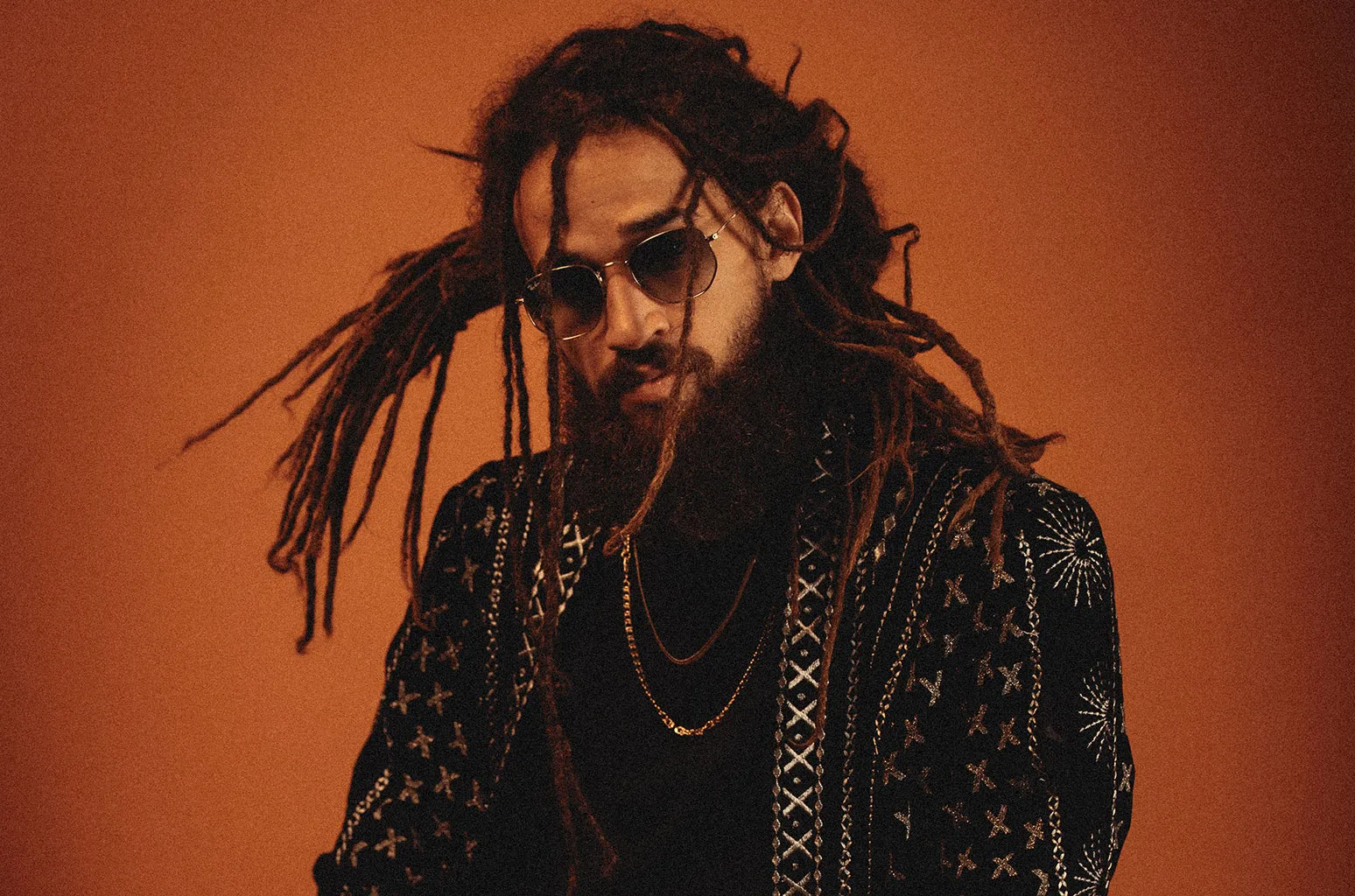
Photograph supplied by POLARIS.
For listeners discovering Keznamdi this year, his Grammy win makes a powerful introduction. For those following his music since his early releases, it marks a major milestone in a journey already more than a decade deep.
On February 1, 2026, the Jamaican artist won Best Reggae Album at the 68th Annual Grammy Awards for BLXXD & FYAH. It was his first nomination and first win, with the project earning the honor in a category that also included Lila Iké, Vybz Kartel, Mortimer and Jesse Royal.
His foundation in music reaches back much further. Born in Kingston, Keznamdi grew up in a musical household with parents who performed in the reggae group Chakula. His sister Kelissa is also a singer. In a 2013 interview with Reggaeville, he recalled recording his first song, “Mix A Color,” when he was five or six.
His debut EP, Bridging the Gap, arrived in April 2013, featuring collaborations with Chronixx and Kabaka Pyramid. Even then, he described an approach that brought reggae, dancehall and hip-hop together, shaped partly by his experiences living in Tanzania and Ethiopia.
He continued building that sound with Bloodline, his 2020 debut album, which included “Victory” with Chronixx and “City Lock” with Tory Lanez. Family, identity and social commentary were central to the project, connecting his musical upbringing to his own experiences as an artist and father.
Released independently on August 22, 2025, the 13-track BLXXD & FYAH featured Kelissa, Mavado and Masicka. The album brought that long-running musical journey to the Grammy stage.
“Reggae music has always been a music weh defend truths and rights, and African liberation and black man redemption,” Keznamdi said during his acceptance speech, as reported by DancehallMag.
That statement offers a useful introduction to the artist behind the award: a musician carrying forward reggae’s cultural and political traditions while making space for other sounds. For new listeners, the Grammy-winning album is a starting point—and his earlier catalog gives them plenty to explore.
Sources
More stories

Photograph supplied by POLARIS.
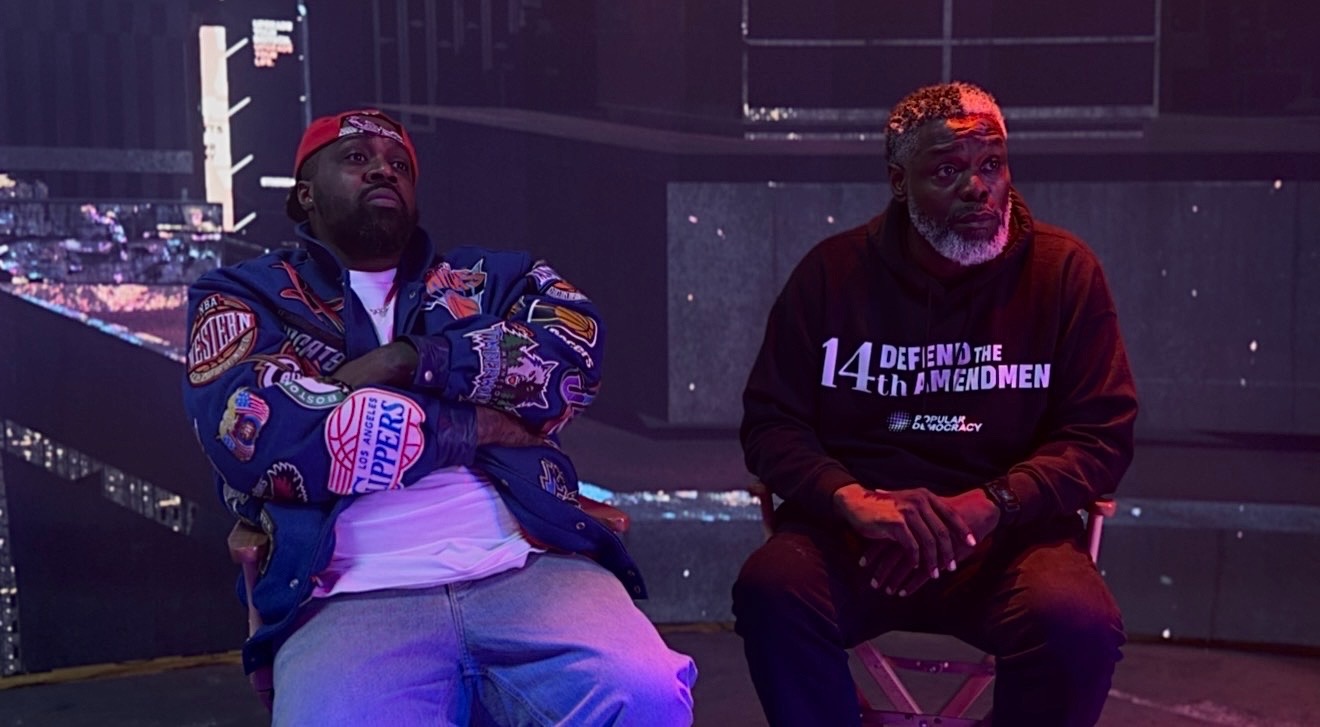
Stove God Cooks Is Back With a New Album — And POLARIS Is Along for the Ride
POLARIS is backing the rapper's next album with behind-the-scenes access as he readies his next chapter.
POLARIS · reporting produced by POLARIS, published on RAP TRENDS ·
Photograph supplied by POLARIS.
Smoke DZA’s Mom Inspired His New EP ‘We Outside’—Without Knowing It
In a POLARIS exclusive, the Harlem rapper breaks down the six-track EP he cut with Mike & Keys in five days, and the mother whose questions about his voting plan shaped it.
POLARIS · reporting produced by POLARIS, published on RAP TRENDS ·
Photograph supplied by POLARIS.
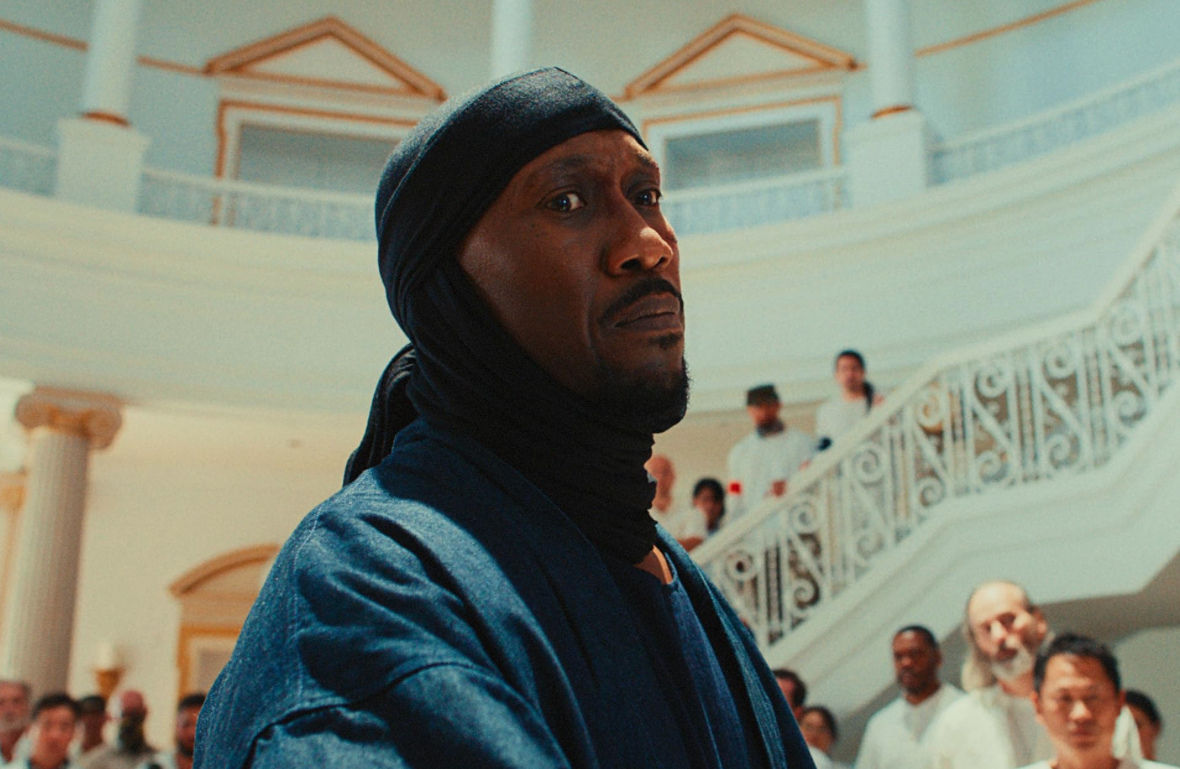
Mahershala Ali Reveals How Rapper Ka Inspired His Role in Your Mother Your Mother Your Mother
The two-time Academy Award winner says Ka’s 2016 album Honor Killed the Samurai shaped his portrayal of Latif in Bassam Tariq’s new film.
POLARIS · reporting produced by POLARIS, published on RAP TRENDS ·